


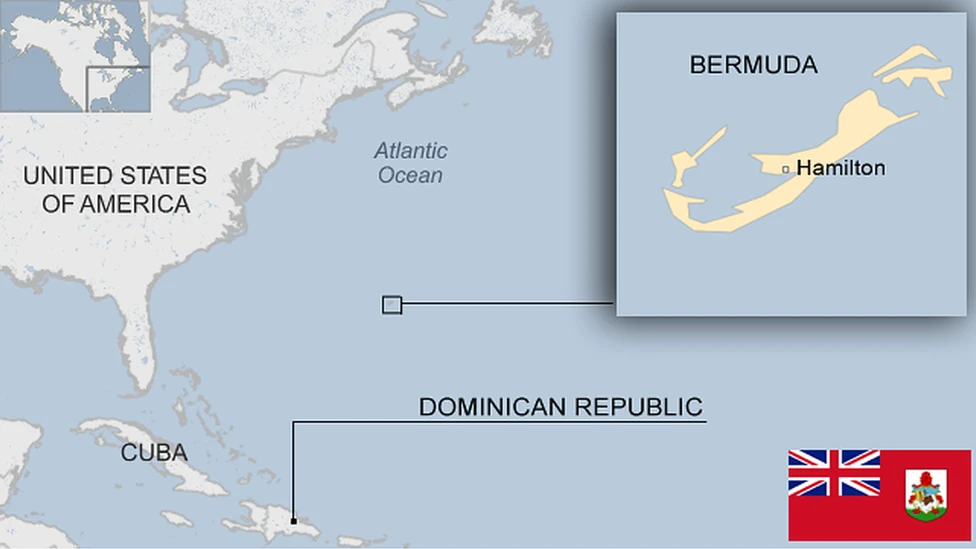
Rising credit card fraud in the shipping industry is prompting major US retailers to block freight forwarding firms, leaving Bermudians unable to buy directly from many popular brands.
Retailers including Abercrombie, Sephora, Best Buy, Hollister, Patagonia, and Nike have stopped shipping to freight forwarders such as Bermuda’s Mailboxes and ZipX, which rely on Delaware addresses to forward packages to the island.
Mailboxes CEO Bricen Hakeman confirmed that some companies are taking this stance, though he cautioned that it does not yet represent a broad industry trend.
“By prohibiting freight forwarders, retailers reduce the risk of fraudulent transactions,” Hakeman explained. “A fraudster might steal a credit card, spend $5,000 at Patagonia, and ship the goods to a freight forwarder. From the retailer’s perspective, the shipment is going to an unknown third party overseas, and they end up absorbing the loss.”
The move comes amid a surge in consumer fraud across the United States. According to Moody’s, total fraud losses jumped 25 per cent last year, reaching $12.5 billion. Artificial intelligence has compounded the issue—helping retailers detect scams more efficiently but also giving fraudsters more sophisticated tools.
Hakeman noted that compliance concerns also influence retailers’ decisions.
“US businesses are legally responsible for ensuring their freight forwarders comply with international trade laws,” he said. “While Mailboxes follows these regulations strictly, some forwarders in the US knowingly bypass them. To reduce risk, certain retailers choose to block freight forwarding altogether.”
In some cases, contractual agreements are also at play. One Bermuda customer recently had a Patagonia order cancelled, with the company citing restrictions tied to its agreements with international dealers. The brand directed customers instead to its global site, where Bermuda is not listed among eligible markets.
Profit margins are another consideration. Hakeman explained that US retailers may worry about parallel imports undermining pricing structures abroad.
“If goods bought at lower domestic prices are resold internationally through freight forwarders, it can undercut the manufacturer’s suggested retail price in foreign markets, ultimately squeezing retailer margins,” he said.
Despite the restrictions, the freight forwarding industry in the US remains robust. More than 17,000 firms operate nationwide, generating $25.75 billion in revenue in 2023 a figure projected to rise to $35 billion within five years.
Source: Royalgazette
Retailers including Abercrombie, Sephora, Best Buy, Hollister, Patagonia, and Nike have stopped shipping to freight forwarders such as Bermuda’s Mailboxes and ZipX, which rely on Delaware addresses to forward packages to the island.
Mailboxes CEO Bricen Hakeman confirmed that some companies are taking this stance, though he cautioned that it does not yet represent a broad industry trend.
“By prohibiting freight forwarders, retailers reduce the risk of fraudulent transactions,” Hakeman explained. “A fraudster might steal a credit card, spend $5,000 at Patagonia, and ship the goods to a freight forwarder. From the retailer’s perspective, the shipment is going to an unknown third party overseas, and they end up absorbing the loss.”
The move comes amid a surge in consumer fraud across the United States. According to Moody’s, total fraud losses jumped 25 per cent last year, reaching $12.5 billion. Artificial intelligence has compounded the issue—helping retailers detect scams more efficiently but also giving fraudsters more sophisticated tools.
Hakeman noted that compliance concerns also influence retailers’ decisions.
“US businesses are legally responsible for ensuring their freight forwarders comply with international trade laws,” he said. “While Mailboxes follows these regulations strictly, some forwarders in the US knowingly bypass them. To reduce risk, certain retailers choose to block freight forwarding altogether.”
In some cases, contractual agreements are also at play. One Bermuda customer recently had a Patagonia order cancelled, with the company citing restrictions tied to its agreements with international dealers. The brand directed customers instead to its global site, where Bermuda is not listed among eligible markets.
Profit margins are another consideration. Hakeman explained that US retailers may worry about parallel imports undermining pricing structures abroad.
“If goods bought at lower domestic prices are resold internationally through freight forwarders, it can undercut the manufacturer’s suggested retail price in foreign markets, ultimately squeezing retailer margins,” he said.
Despite the restrictions, the freight forwarding industry in the US remains robust. More than 17,000 firms operate nationwide, generating $25.75 billion in revenue in 2023 a figure projected to rise to $35 billion within five years.
Source: Royalgazette