


Oil prices rose on Wednesday for a fifth straight session as markets reacted to fears of potential supply disruptions from Iran amid escalating geopolitical tensions. Concerns over a possible U.S. attack on Iran and retaliation against U.S. interests in the region pushed traders to factor in a higher risk premium.
Brent crude futures climbed 76 cents, or 1.2%, to $66.23 a barrel, while U.S. West Texas Intermediate gained 68 cents, or 1.1%, to $61.83 by mid-day trading. The gains reflected growing anxiety over stability in the Middle East, a key oil-producing region.
Tensions intensified after Tehran warned U.S. allies in the Middle East that it would strike American bases on their soil if Washington attacked Iran. In response, some personnel were advised to leave a U.S. military base in Qatar. Analysts said the market is increasingly focused on the risk of supply disruptions rather than current fundamentals.
“We are in a period of geopolitical instability and potential supply disruption,” said Jorge Montepeque, managing director at Onyx Capital Group, noting that protests in Iran could potentially lead to regime change and raise the likelihood of U.S. military action.
U.S. President Donald Trump on Tuesday urged Iranians to continue protesting and said that help was on the way, without providing further details. Citi analysts said the unrest could tighten global oil balances mainly through a rising geopolitical risk premium, prompting them to raise their three-month Brent price outlook to $70 a barrel. However, they noted that protests have not spread to Iran’s main oil-producing regions, limiting any immediate impact on supply.
The rally in oil prices was partly capped by rising U.S. inventories. The American Petroleum Institute reported that U.S. crude stocks rose by 5.23 million barrels last week, while gasoline and distillate inventories also posted sharp increases. Official stockpile data from the U.S. Energy Information Administration is due later on Wednesday.
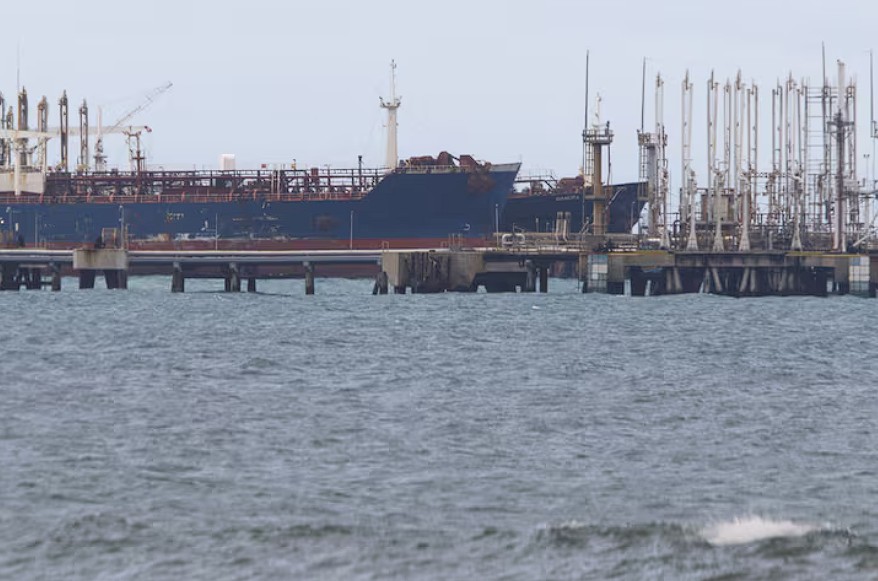
Additional pressure on prices came from Venezuela, where oil production cuts made under a U.S. embargo are being reversed. Two supertankers left Venezuelan waters earlier this week carrying about 1.8 million barrels each, marking what could be the first shipments under a new supply deal aimed at restarting crude exports.
Source : Reuters
Brent crude futures climbed 76 cents, or 1.2%, to $66.23 a barrel, while U.S. West Texas Intermediate gained 68 cents, or 1.1%, to $61.83 by mid-day trading. The gains reflected growing anxiety over stability in the Middle East, a key oil-producing region.
Tensions intensified after Tehran warned U.S. allies in the Middle East that it would strike American bases on their soil if Washington attacked Iran. In response, some personnel were advised to leave a U.S. military base in Qatar. Analysts said the market is increasingly focused on the risk of supply disruptions rather than current fundamentals.
“We are in a period of geopolitical instability and potential supply disruption,” said Jorge Montepeque, managing director at Onyx Capital Group, noting that protests in Iran could potentially lead to regime change and raise the likelihood of U.S. military action.
U.S. President Donald Trump on Tuesday urged Iranians to continue protesting and said that help was on the way, without providing further details. Citi analysts said the unrest could tighten global oil balances mainly through a rising geopolitical risk premium, prompting them to raise their three-month Brent price outlook to $70 a barrel. However, they noted that protests have not spread to Iran’s main oil-producing regions, limiting any immediate impact on supply.
The rally in oil prices was partly capped by rising U.S. inventories. The American Petroleum Institute reported that U.S. crude stocks rose by 5.23 million barrels last week, while gasoline and distillate inventories also posted sharp increases. Official stockpile data from the U.S. Energy Information Administration is due later on Wednesday.
Additional pressure on prices came from Venezuela, where oil production cuts made under a U.S. embargo are being reversed. Two supertankers left Venezuelan waters earlier this week carrying about 1.8 million barrels each, marking what could be the first shipments under a new supply deal aimed at restarting crude exports.
Source : Reuters