


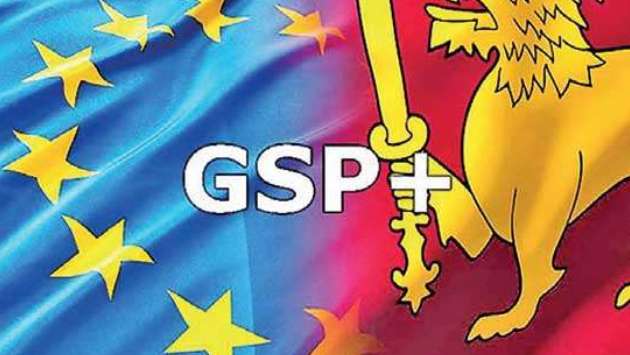
Sri Lanka, whose exports to the European Union (EU) account for over 24% of its total trade, now faces heightened challenges in retaining preferential market access under the GSP+ (Generalized Scheme of Preferences Plus) arrangement. The EU is reviewing the renewal of the facility, which is set to take effect after 2027, under a more stringent set of criteria.
*Tougher Compliance Requirements*
Sri Lanka is currently being assessed on its implementation of the 27 international conventions it has ratified, covering human rights, labour rights, environmental protection, climate change, and good governance. Under the revised EU framework, eligibility now also requires ratifying and implementing additional international instruments, including:
1. The Paris Agreement on Climate Change
2. The UN Convention on the Rights of Persons with Disabilities
3. ILO Convention No. 144 on tripartite consultations
4. ILO Convention No. 81 on labour inspections
5. The Optional Protocol to the Convention on the Rights of the Child on children in armed conflict
6. The UN Convention against Transnational Organized Crime
While most of these are not expected to pose significant hurdles, the EU will expect tangible progress and demonstrable compliance.
*Key Challenge: Replacing the PTA*
- A major focus of the EU is the Prevention of Terrorism Act (PTA). To meet international standards, Sri Lanka must replace it with a new counterterrorism law.
- The previous government's Anti-Terrorism Bill did not meet EU expectations.
- The current administration is reviewing and drafting a new bill, guided by a committee’s recommendations.
- Despite promises to finalize and gazette the law ahead of the recent UNHRC session, this step has yet to be completed.
- Repealing the PTA and implementing a law acceptable to the EU is critical to retaining the GSP+ facility.
*Economic Implications*
The stakes are high:
- In 2023, Sri Lanka’s merchandise exports to the EU totaled €3.7 billion, with over 80% benefiting from GSP+ concessions.
- The country maintains a trade surplus of €1.5 billion with the EU.
- Losing GSP+ would therefore have a significant economic impact, especially in the wake of U.S. tariffs.
Diplomatic Outlook
The relationship between Sri Lanka and the EU remains constructive. The latest UNHRC resolution—backed by the EU was moderated and adopted without a vote, and Sri Lanka did not oppose it. This sets a positive tone for cooperation in securing the GSP+ facility for the next term.
Conclusion
Sri Lanka must act swiftly to meet the expanded EU criteria, particularly replacing the PTA with a law aligned with international standards. Retaining GSP+ is vital for the country’s export-driven economy, and the window for action is narrowing.
Source: Daily Mirror
*Tougher Compliance Requirements*
Sri Lanka is currently being assessed on its implementation of the 27 international conventions it has ratified, covering human rights, labour rights, environmental protection, climate change, and good governance. Under the revised EU framework, eligibility now also requires ratifying and implementing additional international instruments, including:
1. The Paris Agreement on Climate Change
2. The UN Convention on the Rights of Persons with Disabilities
3. ILO Convention No. 144 on tripartite consultations
4. ILO Convention No. 81 on labour inspections
5. The Optional Protocol to the Convention on the Rights of the Child on children in armed conflict
6. The UN Convention against Transnational Organized Crime
While most of these are not expected to pose significant hurdles, the EU will expect tangible progress and demonstrable compliance.
*Key Challenge: Replacing the PTA*
- A major focus of the EU is the Prevention of Terrorism Act (PTA). To meet international standards, Sri Lanka must replace it with a new counterterrorism law.
- The previous government's Anti-Terrorism Bill did not meet EU expectations.
- The current administration is reviewing and drafting a new bill, guided by a committee’s recommendations.
- Despite promises to finalize and gazette the law ahead of the recent UNHRC session, this step has yet to be completed.
- Repealing the PTA and implementing a law acceptable to the EU is critical to retaining the GSP+ facility.
*Economic Implications*
The stakes are high:
- In 2023, Sri Lanka’s merchandise exports to the EU totaled €3.7 billion, with over 80% benefiting from GSP+ concessions.
- The country maintains a trade surplus of €1.5 billion with the EU.
- Losing GSP+ would therefore have a significant economic impact, especially in the wake of U.S. tariffs.
Diplomatic Outlook
The relationship between Sri Lanka and the EU remains constructive. The latest UNHRC resolution—backed by the EU was moderated and adopted without a vote, and Sri Lanka did not oppose it. This sets a positive tone for cooperation in securing the GSP+ facility for the next term.
Conclusion
Sri Lanka must act swiftly to meet the expanded EU criteria, particularly replacing the PTA with a law aligned with international standards. Retaining GSP+ is vital for the country’s export-driven economy, and the window for action is narrowing.
Source: Daily Mirror