


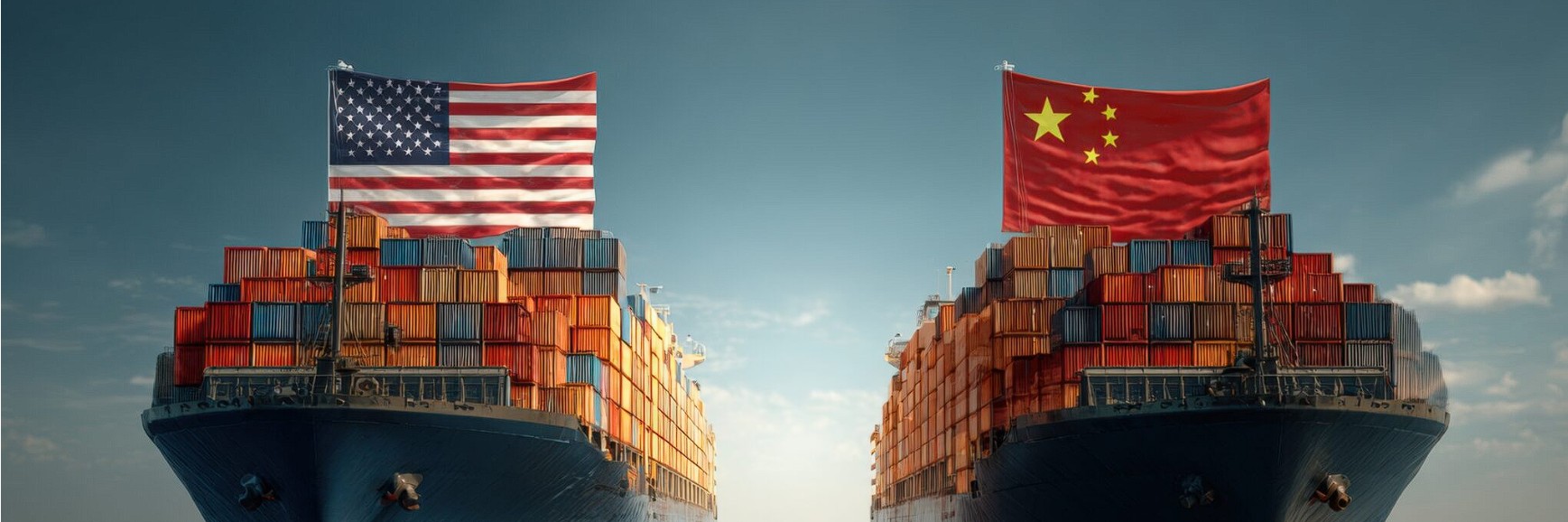
The United States and China have agreed to suspend newly-introduced port fees on each other’s vessels for one year, temporarily easing tensions in their ongoing trade dispute. The fees, which began on October 14, targeted each other’s maritime, logistics, and shipbuilding sectors.
Under the agreement, the U.S. will halt Section 301 measures affecting China’s shipping industry for one year, while China will pause its retaliatory measures. The announcement followed a meeting between President Donald Trump and Chinese President Xi Jinping in Busan, South Korea.
U.S. officials emphasized that the pause provides temporary relief to shipping companies that had been rerouting vessels and cargo to avoid the new costs. President Trump described the port fee issue as “no longer an issue,” while U.S. Trade Representative Jamieson Greer noted that negotiations on reviving American shipbuilding would continue during the truce.
The agreement comes alongside other trade developments. Trump announced a reduction in tariffs on Chinese goods from 57% to 47% and cut the “fentanyl tariff” from 20% to 10%, following China’s commitment to curb fentanyl exports.
Additionally, China has agreed to purchase substantial amounts of U.S. agricultural products, including soybeans and sorghum, maintain supplies of rare earths and critical minerals, and explore large-scale energy purchases from Alaska. Trump described the rare earth agreement as “a deal for the world” and said its terms will be reviewed annually.
Source: Shipping Telegraph
Under the agreement, the U.S. will halt Section 301 measures affecting China’s shipping industry for one year, while China will pause its retaliatory measures. The announcement followed a meeting between President Donald Trump and Chinese President Xi Jinping in Busan, South Korea.
U.S. officials emphasized that the pause provides temporary relief to shipping companies that had been rerouting vessels and cargo to avoid the new costs. President Trump described the port fee issue as “no longer an issue,” while U.S. Trade Representative Jamieson Greer noted that negotiations on reviving American shipbuilding would continue during the truce.
The agreement comes alongside other trade developments. Trump announced a reduction in tariffs on Chinese goods from 57% to 47% and cut the “fentanyl tariff” from 20% to 10%, following China’s commitment to curb fentanyl exports.
Additionally, China has agreed to purchase substantial amounts of U.S. agricultural products, including soybeans and sorghum, maintain supplies of rare earths and critical minerals, and explore large-scale energy purchases from Alaska. Trump described the rare earth agreement as “a deal for the world” and said its terms will be reviewed annually.
Source: Shipping Telegraph